Kundalini Activation: The Hidden Dangers No One Talks About
Kundalini activation is everywhere right now. Weekend workshops promise to awaken your energy. Instagram sessions guarantee transformation in a single afternoon. Breathwork facilitators with a certificate—and sometimes not even that—are leading intense, energetic practices for people they’ve never met.
Here’s what the wellness industry isn’t telling you: these practices are genuinely powerful, and in the wrong hands, they can be genuinely dangerous. Yogi Aaron has personally witnessed people lose their grip on reality after irresponsible Kundalini and breathwork sessions. Literally.
This isn’t an argument against the practices themselves. It’s an argument for understanding what they actually are, what the tradition has always required, and why the current Kundalini activation trend skips the one thing that makes these practices safe: preparation.
What Is Prana, Really?
Most people translate prana as “breath.” That’s not what it means.
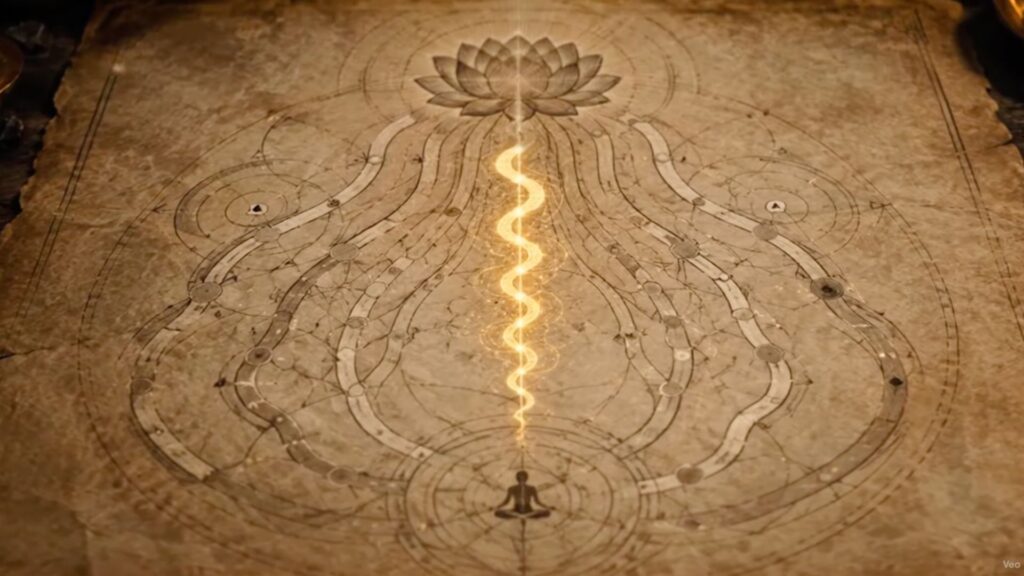
Prana means life force—that which animates. It is the energy behind everything: the energy that animates the universe and the energy that animates you.
This is where the connection to Kundalini comes in, and it’s the piece almost no one in the wellness world explains. Pranayama—the sustained, disciplined practice of working with prana—is one of the traditional pathways through which Kundalini can awaken. Not the only pathway, but one of the most direct.
And Kundalini awakening is not what most people think it is. It’s not a feeling. It’s not a convulsion. It’s not an out-of-body experience at a weekend workshop. True Kundalini awakening is a shift in perception—a recognition of who you truly are and your place in the universe. It is the release of the ignorance that has been binding you to the reality you’ve constructed for yourself.
That is profound. And profound things require profound preparation.
Pranayama Is a Practice, Not a Technique
Here is something the kundalini activation trend has completely misunderstood: pranayama is not a technique. It is a practice. And those are two completely different things.
A technique is something you can learn in an afternoon—alternate nostril breathing, breath of fire, box breathing. The mechanics are simple.
But pranayama in the traditional sense is what happens when you’ve practiced every morning before sunrise for years. It becomes a relationship with prana rather than a technique you perform.
The tradition even has a specific word for how we relate to prana—and it isn’t control. The tradition teaches us to regulate prana. To learn to dance with it.
Think of it this way: the tradition speaks of prana, this divine life force, as the Divine Mother. When we try to control her, we’re putting a muzzle on her. But when we learn to regulate—when we create the container and then gradually expand it—we’re learning to dance with her. The rumba. The tango. The salsa.
The goal is never to force an awakening. The goal is to become a fit vessel for the energy that is already there. And that takes time. There are no shortcuts.
The Real Danger: Prana Amplifies Whatever Is Already There
This is the most important thing you’ll read in this article.
Prana amplifies whatever state you’re already in.
If you’re stable—if your nervous system is regulated, your mind is clear, your body is functioning well—then increasing your prana amplifies stability.
But if you’re unstable, anxious, dysregulated, ungrounded, or carrying unresolved trauma, then increasing your prana amplifies that instability.
Power + dysfunction = powerful dysfunction.
Instability + increased energy = powerful instability.
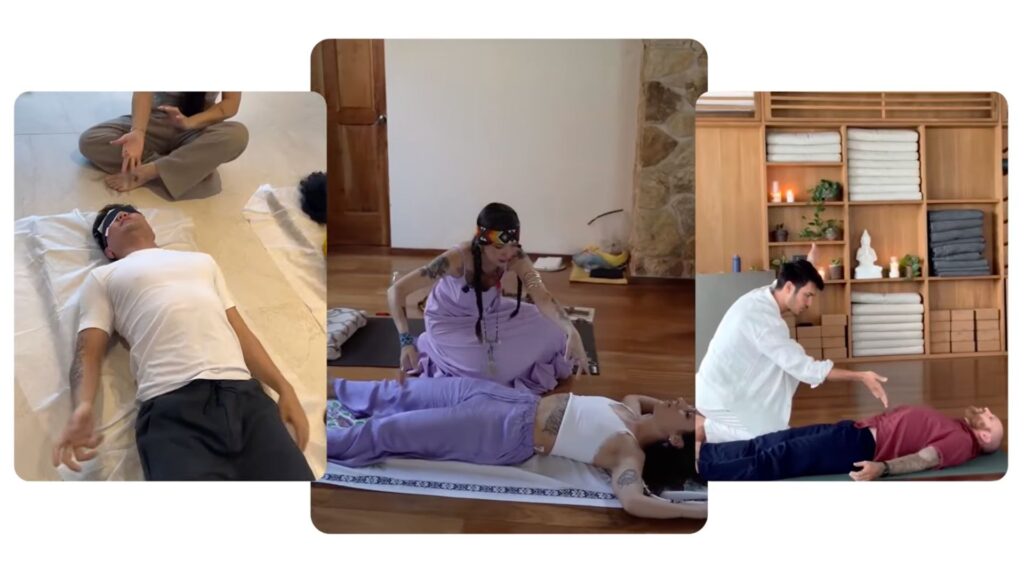
Yogi Aaron has watched people who were already emotionally unstable—some of them using substances, already losing their connection to reality—walk into an intense kundalini activation session and come out the other side in what can only be described as a psychotic break. In almost every case, the warning signs were there before the session began. Then their system was flooded with powerful, energetic practices, and the instability was amplified.
This is what happens when powerful practices meet unprepared nervous systems.
Who Is Teaching You Matters More Than What They’re Teaching
The deepest problem with the kundalini activation trend isn’t the practices. It’s who is leading them.
In the tradition, the requirements for teaching pranayama and Kundalini practices are extraordinarily clear:
- Years of daily personal practice — not a weekend course, not a certification earned after one powerful experience
- A direct lineage — teachings received from a qualified teacher, who received them from their teacher
- A life that demonstrates the practice — steadiness, clarity, and stability that others can see
Kundalini is a lineage-based practice. It can’t be downloaded, it can’t be shortcut, and it definitely can’t be learned on TikTok.
The tradition has a phrase: “Lead me from the unreal to the real.” If a teacher’s own life is chaotic, if they are emotionally unstable, if they have never truly practiced these things daily, then they are living in the unreal—and charging people money to join them there.
You cannot transmit what you have not received. You cannot teach what you have not embodied. And a powerful experience at a workshop is the beginning of a path—never the end of it.
What Patanjali Knew: Stability Comes First
None of this is a modern opinion. It’s what the tradition has always taught.
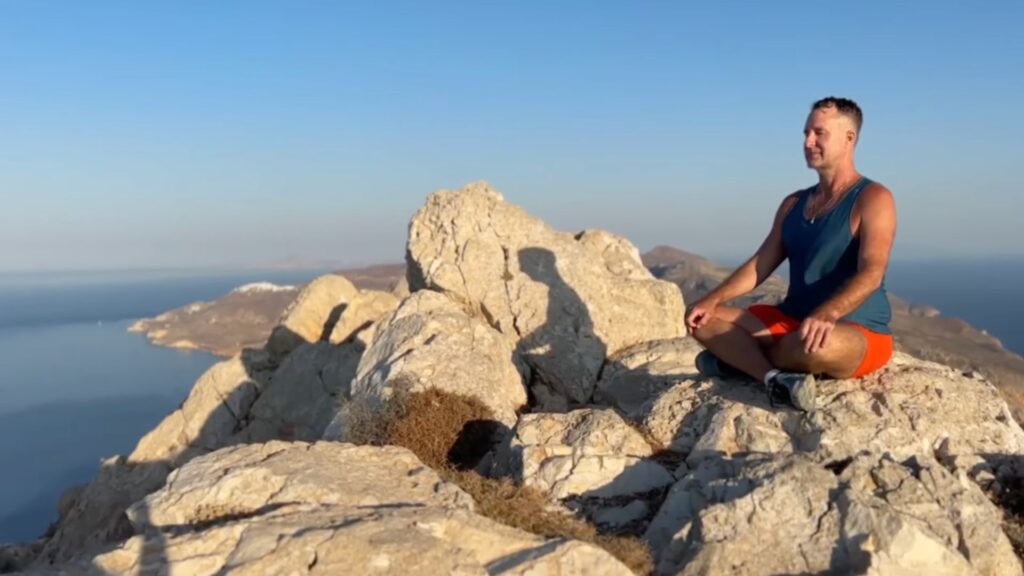
Patanjali’s eight-limb path places asana before pranayama, and that sequence is not accidental. Sthira sukham asanam—the seat must be steady and easy. Sthira means steadiness, stability. Before you progress to pranayama, you need to cultivate steadiness in your body, your nervous system, and your mind.
And a note for the yoga practitioners reading this: how long you can hold chaturanga dandasana or plank pose has no bearing on how stable you actually are. Often, all that’s developed is a swollen ego—and a swollen ego pulls you further from stability, not closer to it.
The sequence exists for a reason. You can’t skip the foundation and expect the building to stand.

How to Approach These Practices Safely
If you feel drawn to pranayama and the deeper energetic practices of yoga, that pull is worth honoring. There is something genuinely powerful in working with prana—the tradition has known this for thousands of years. The path forward simply requires the right order:
- Build physical stability first. A regulated nervous system and a stable body are the foundation for everything that follows. Yogi Aaron’s AYAMA Method is designed to do exactly this. Learn about it here.
- Find a teacher with real lineage. Ask where their teachings come from, how long they’ve practiced daily, and who their teachers were.
- Commit to daily practice, not peak experiences. A single intense session is not an awakening. Showing up every morning is where the real transformation happens.
- Layer in the energetic practices gradually. Pranayama, meditation, and the deeper teachings come after the vessel is prepared—always in that order.
This sequencing is exactly how Yogi Aaron structures the immersive yoga teacher training at Blue Osa in Costa Rica. Students build physical stability first through muscle activation and an understanding of the body and mind—because, as his teacher says, a confused mind is not fit for the practice of yoga. From that foundation, students receive a real grounding in pranayama: not a technique to perform, but a practice to take home and build every single day.
Hear Yogi Aaron talk through all of this in this video on his YouTube channel.
The Bottom Line on Kundalini Activation
Kundalini awakening is real. Prana is real. And the practices that work with them deserve enormous respect, which is exactly why they should never be sold as an afternoon experience.
If a workshop promises to awaken your Kundalini in a weekend, walk away. The tradition has always required preparation, and that requirement exists to protect you. Become a fit vessel first. Find teachers who have done the work. Build the foundation before you raise the building.
The energy is already there, waiting. Your only job is to prepare for it properly.
Ready to build a real foundation in pranayama and the deeper practices of yoga? Explore the immersive yoga teacher training at Blue Osa in Costa Rica, where stability comes first—always.
About The Author, Yogi Aaron
Yogi Aaron is the founder and creator of Applied Yoga Anatomy + Muscle Activation™ (AYAMA), a revolutionary methodology
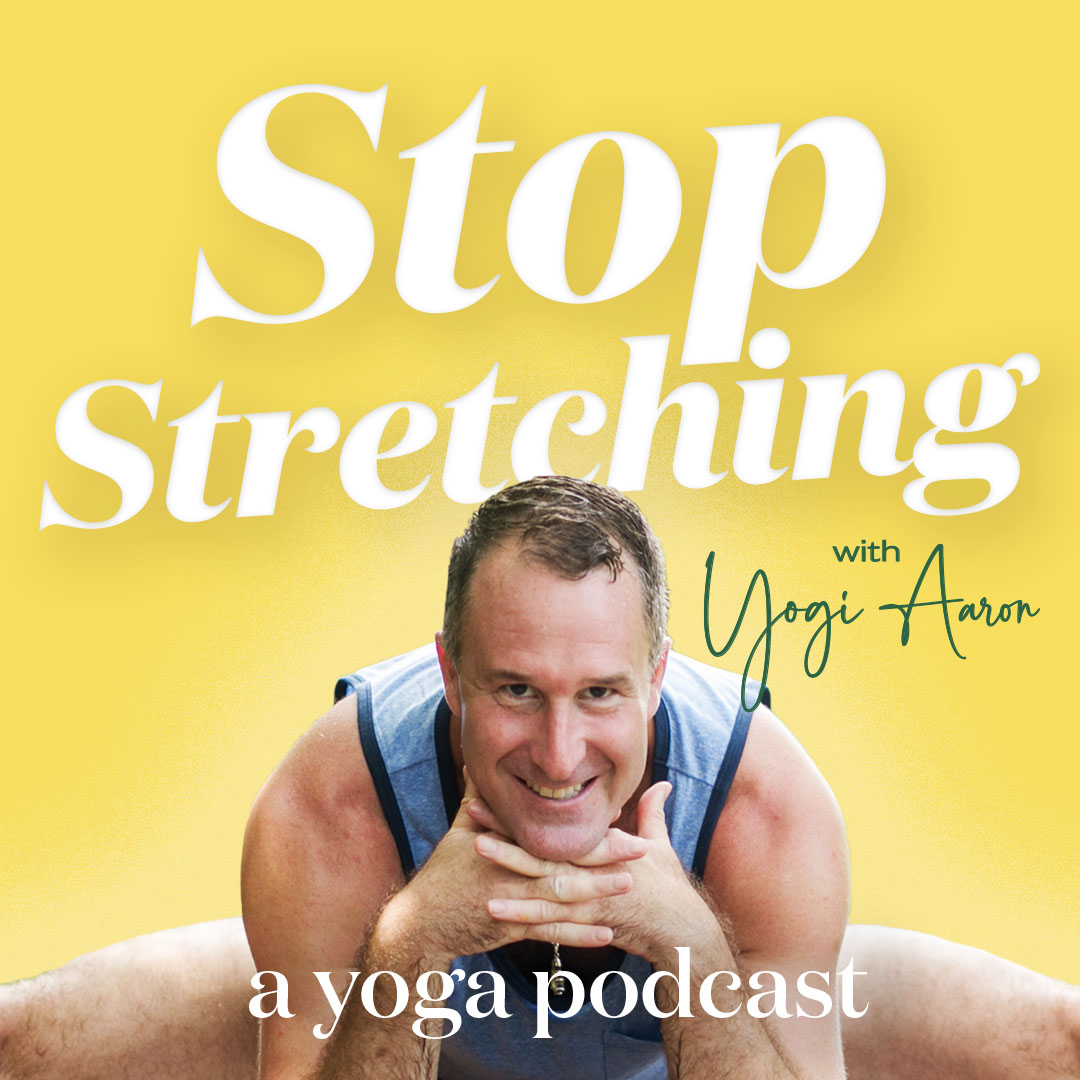
that challenges conventional approaches to yoga. Using a science-backed approach, he prioritizes muscle activation over traditional stretching.
With over three decades of dedicated study, mentorship, and hands-on experience, he has established himself as a leading expert in yoga therapy, alignment, and pain-free movement.
As owner and operator of Blue Osa Yoga Retreat + Spa in Costa Rica, Yogi Aaron leads transformative programs that combine his expertise in yoga instruction, retreat facilitation, and wellness business operations. His work spans both in-person immersive experiences and digital education through The Yogi Club online platform and the AYAMA™ Certification Program.
Yogi Aaron’s teaching methodology represents a paradigm shift in modern yoga practice. AYAMA focuses on activating and engaging muscles to enhance range of motion, build strength, improve stability, and optimize alignment—while reducing pain and injury risk. This evidence-based approach has positioned him as a thought leader challenging the status quo in the yoga community.
His mission extends beyond the mat: to liberate individuals from chronic pain and guide them toward discovering yoga’s authentic purpose through intelligent, body-informed practice.
Learn more about training opportunities with Yogi Aaron at Blue Osa Yoga Retreat + Spa.
Check out these other popular posts!