How to Stop Leg Cramps Naturally (Without Relying on Bananas)
If you’ve been searching for how to stop leg cramps, you’ve probably been told to drink more water or eat more bananas.
And while hydration and electrolytes matter, they’re rarely the root cause.
The real reason most people experience calf cramps, hamstring cramps, and muscle cramps at night is neuromuscular weakness — a breakdown in communication between the brain and the muscles.
When muscles aren’t activating properly, the body goes into a protective state. That protective tightening? It turns into cramping.
The solution isn’t just stretching.
It’s not just potassium.
It’s muscle activation.
Let’s walk step-by-step through a simple routine that addresses the real cause of leg cramps — and creates long-term relief.
Why Do Leg Cramps Happen?
Before we fix the problem, we need to understand it.
Leg cramps are often caused by:
- Weak glutes
- Underactive quadriceps
- Poor ankle stabilization
- Neuromuscular disconnect
- Muscles that haven’t been trained to contract properly
When a muscle isn’t used to shortening (contracting on demand), the nervous system panics. The muscle tightens aggressively. That tightening becomes a cramp.
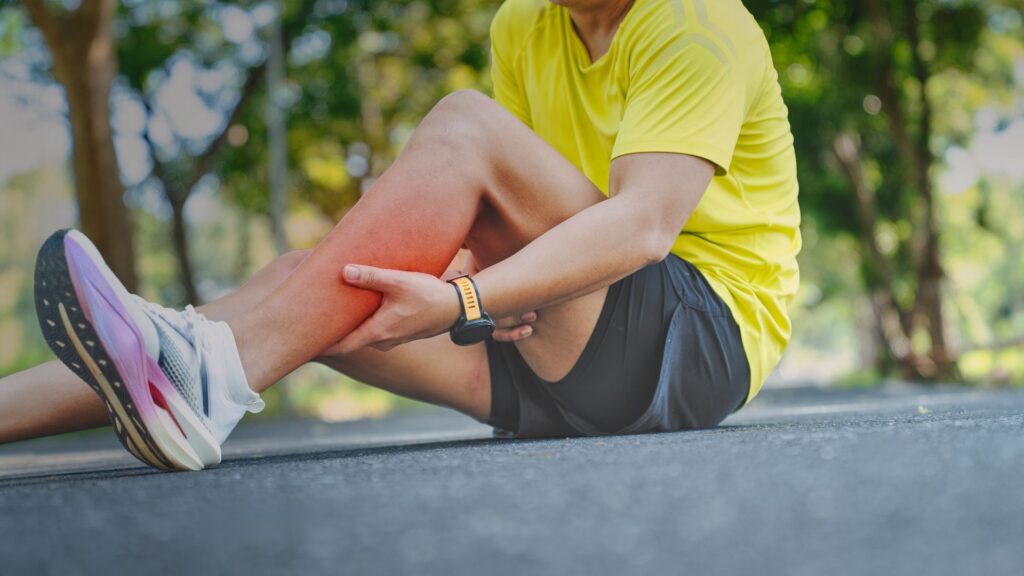
Most calf cramps and hamstring cramps are not random.
They’re compensation patterns.
If your glutes aren’t working, your hamstrings and calves overwork.
If the front of your shin isn’t activating, your calves tighten for stability.
So instead of stretching tight muscles, we activate the muscles that aren’t doing their job.
Step-by-Step Routine to Stop Leg Cramps
This routine focuses on four key muscle groups:
- Glutes
- Quadriceps
- Anterior Tibialis (front of shin)
- Peroneals (fibularis muscles)
Each exercise follows the muscle activation principle: Hold for 6 seconds, repeat 6 times.
Step 1: Glute Activation (The Foundation)
If you suffer from hamstring cramps or calf cramps, start here.
Weak glutes are the #1 hidden cause of leg cramps.
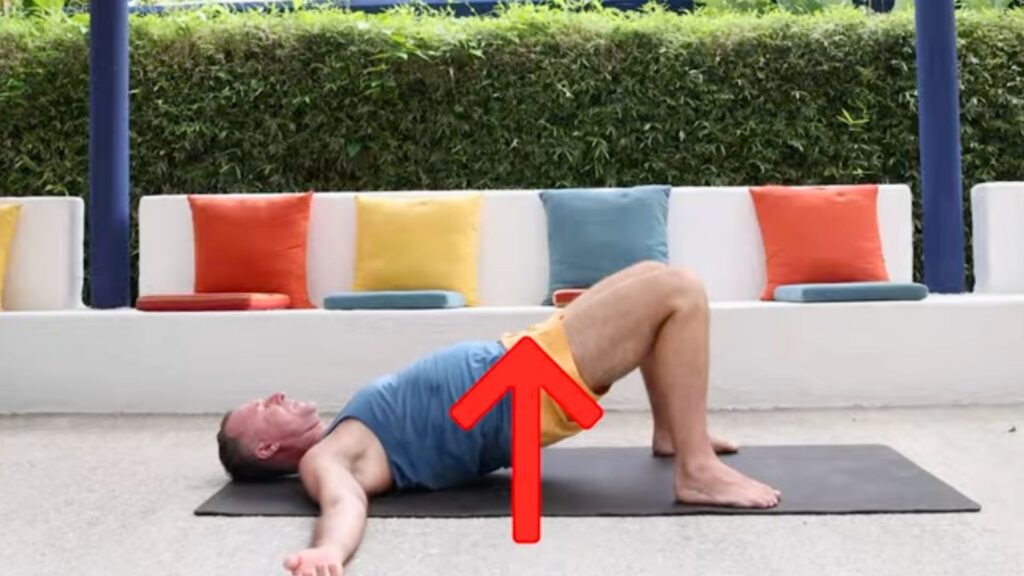
How to Do It:
- Lie on your back with knees bent.
- Place your hands on your glutes.
- Gently squeeze your glutes without lifting.
- Hold 6 seconds.
- Relax.
- Repeat 6 times.
Then progress to a low bridge:
- Squeeze glutes first.
- Lift hips 2–4 inches.
- Press gently into heels.
- Avoid letting hamstrings take over.
- Hold 6 seconds.
- Lower slowly.
Tip: If your hamstrings start to cramp, lower slightly. The goal is glute activation — not height.
Why this works: When glutes engage properly, hamstrings and calves can finally relax.
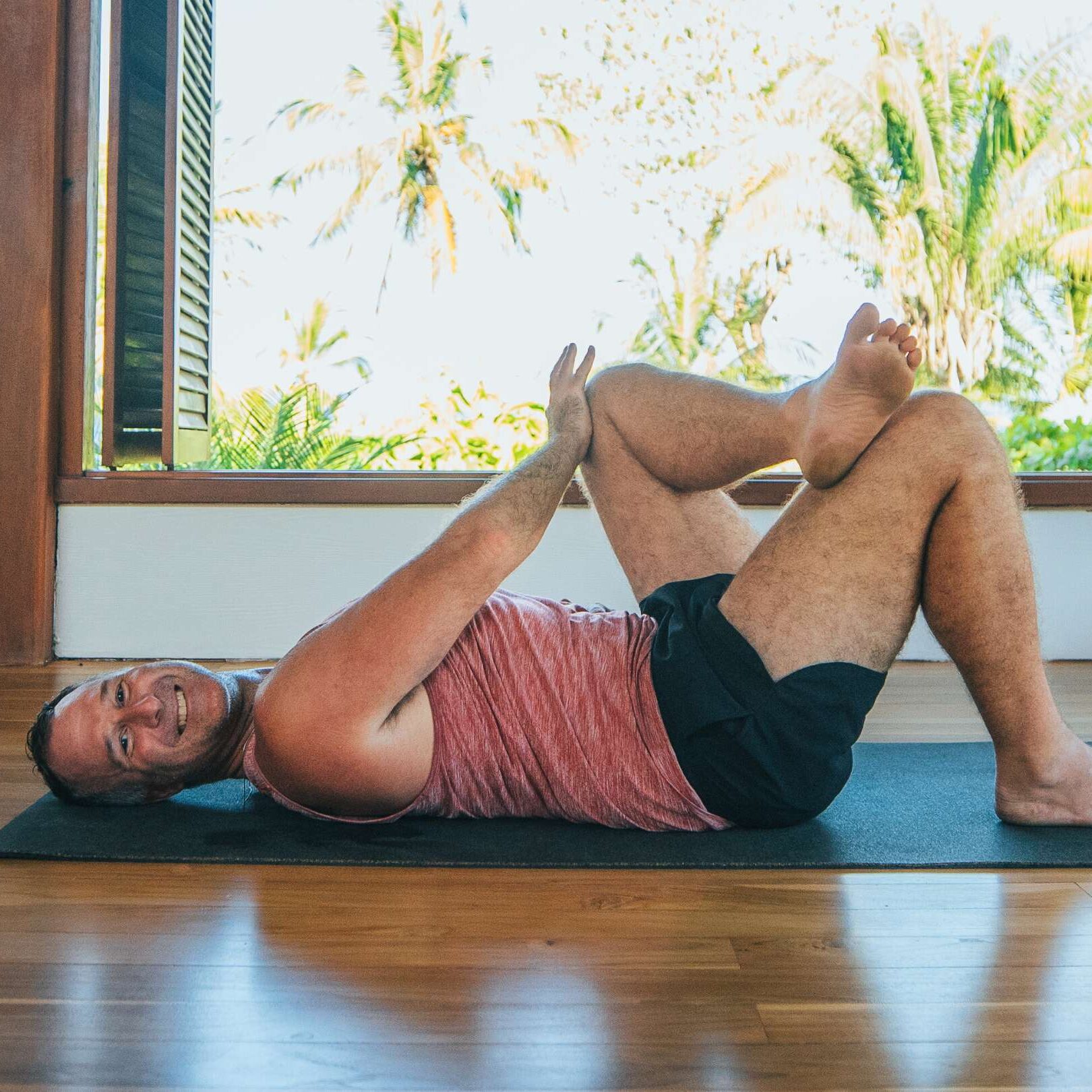
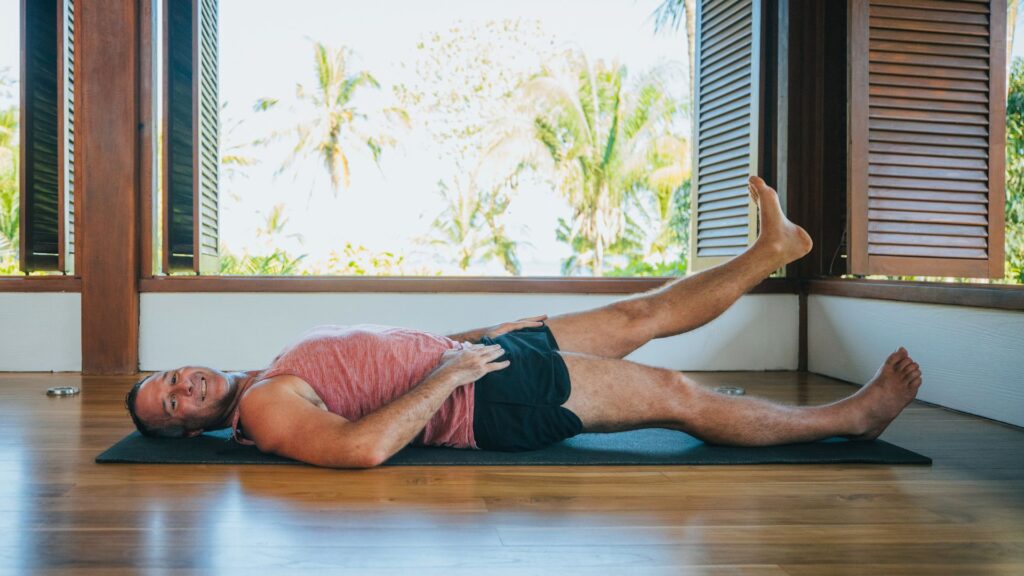
Step 2: Quad Activation (To Stop Hamstring Cramps)
Hamstring cramps often happen because the quadriceps aren’t shortening effectively.
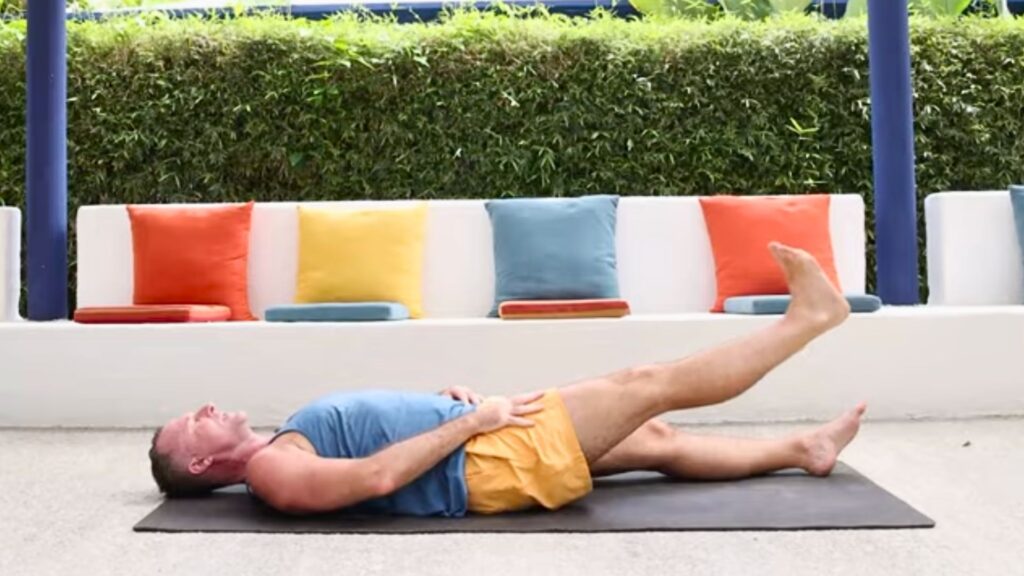
How to Do It:
- Lie on your back.
- Bend one knee.
- Slowly straighten the leg.
- Engage the quadriceps without lifting the leg higher.
- Place your hand on the thigh to feel activation.
- Hold 6 seconds.
- Repeat 6 times per leg.
Why this works: When the quads contract properly, the hamstrings no longer need to grip for stability.
Step 3: Anterior Tibialis Activation (Stop Calf Cramps)
If you get calf cramps at night, this step is crucial.
The anterior tibialis stabilizes the ankle. If it’s weak, the calf tightens.
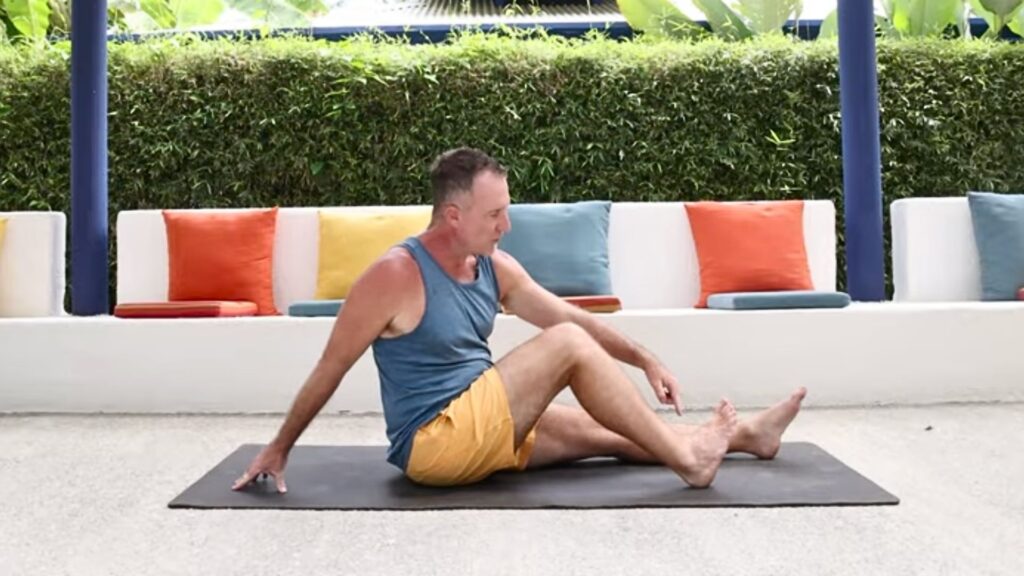
How to Do It:
- Bend your knee slightly.
- Turn your foot slightly inward.
- Flex the foot (drive big toe toward knee).
- Feel the front of the shin activate.
- Hold 6 seconds.
- Repeat 6 times on each side.
Why this works: When the front of the shin activates, the calf no longer needs to overwork.
Step 4: Peroneal (Fibularis) Activation
These muscles stabilize the outside of the ankle.
If they’re weak, instability leads to calf tightening and cramping.
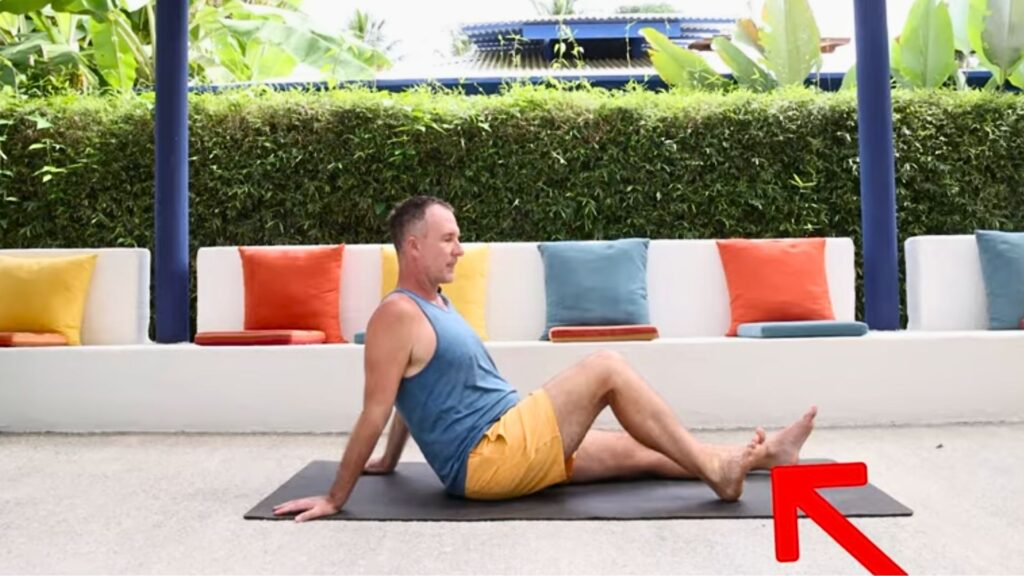
How to Do It:
- Bend your knee slightly.
- Turn the foot outward.
- Flex foot (drive the little toe side toward the knee).
- Hold 6 seconds.
- Repeat 6 times.
Why this works: When ankle stabilizers activate, the nervous system feels safe — and cramps stop.
Why Muscle Activation Stops Leg Cramps Permanently
Stretching gives temporary relief.
Muscle activation changes neuromuscular wiring.
When muscles contract properly:
- The nervous system exits protective mode
- Overworking muscles relax
- Stability improves
- Cramping decreases long-term
This is the foundation of Applied Yoga Anatomy & Muscle Activation (AYAMA) — retraining the brain-to-muscle connection instead of forcing flexibility.
How Often Should You Do This Routine?
For chronic leg cramps:
- Daily for 2–3 weeks
- Then 2–3 times per week for maintenance
Muscles shut down from stress, trauma, and overuse. Activation keeps them online.
FAQ: How to Stop Leg Cramps
What causes leg cramps at night?
Night leg cramps are usually caused by neuromuscular weakness, poor muscle activation, and instability — not just dehydration.
Are bananas good for leg cramps?
Bananas help with potassium levels, but they don’t correct muscle imbalance. They’re supportive, not corrective.
Should I stretch a cramping muscle?
Gentle stretching can relieve pain in the short term, but activation prevents recurrence.
Why do my calves cramp when I point my toes?
Because the anterior tibialis and ankle stabilizers may not be activating properly, forcing the calf to compensate.
Final Thoughts: Stop Treating the Symptom
If you’ve been wondering how to stop leg cramps, stop chasing hydration alone.
Instead:
- Activate your glutes.
- Engage your quads.
- Strengthen your shins.
- Stabilize your ankles.
When muscles do their job, they stop screaming for help.
Ready to go deeper?
If you’re ready to go deeper into muscle activation and pain-free movement, explore training with Yogi Aaron and the AYAMA method at Blue Osa Yoga Retreat & Spa in Costa Rica.
Your body doesn’t need more stretching. It needs better communication.
About The Author, Yogi Aaron
Yogi Aaron is the founder and creator of Applied Yoga Anatomy + Muscle Activation™ (AYAMA), a revolutionary methodology
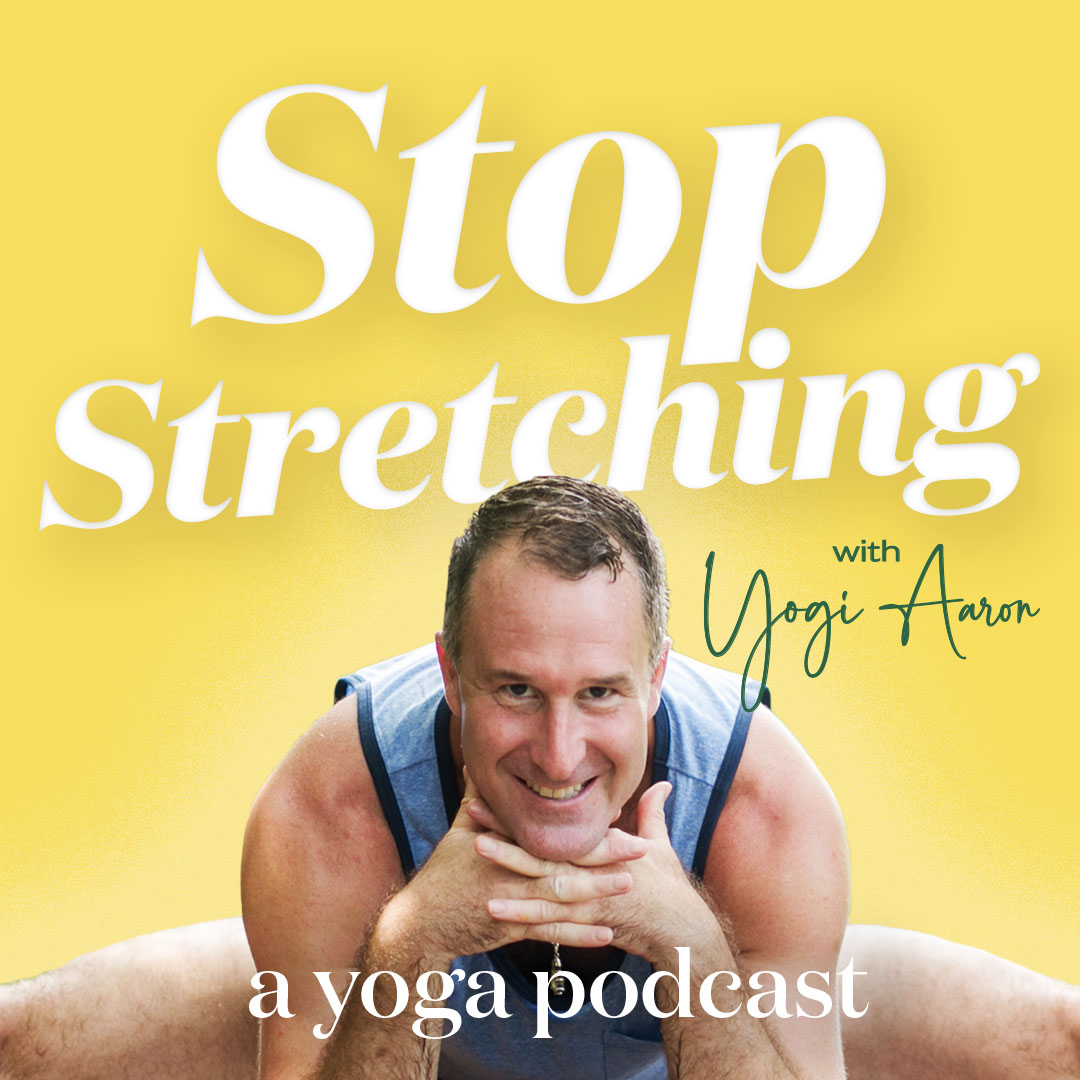
that challenges conventional approaches to yoga. Using a science-backed approach, he prioritizes muscle activation over traditional stretching.
With over three decades of dedicated study, mentorship, and hands-on experience, he has established himself as a leading expert in yoga therapy, alignment, and pain-free movement.
As owner and operator of Blue Osa Yoga Retreat + Spa in Costa Rica, Yogi Aaron leads transformative programs that combine his expertise in yoga instruction, retreat facilitation, and wellness business operations. His work spans both in-person immersive experiences and digital education through The Yogi Club online platform and the AYAMA™ Certification Program.
Yogi Aaron’s teaching methodology represents a paradigm shift in modern yoga practice. AYAMA focuses on activating and engaging muscles to enhance range of motion, build strength, improve stability, and optimize alignment—while reducing pain and injury risk. This evidence-based approach has positioned him as a thought leader challenging the status quo in the yoga community.
His mission extends beyond the mat: to liberate individuals from chronic pain and guide them toward discovering yoga’s authentic purpose through intelligent, body-informed practice.
Learn more about training opportunities with Yogi Aaron at Blue Osa Yoga Retreat + Spa.
Check out these other popular posts!